Andalusia | hidden gem
The beauty of Iznajar
SPAIN
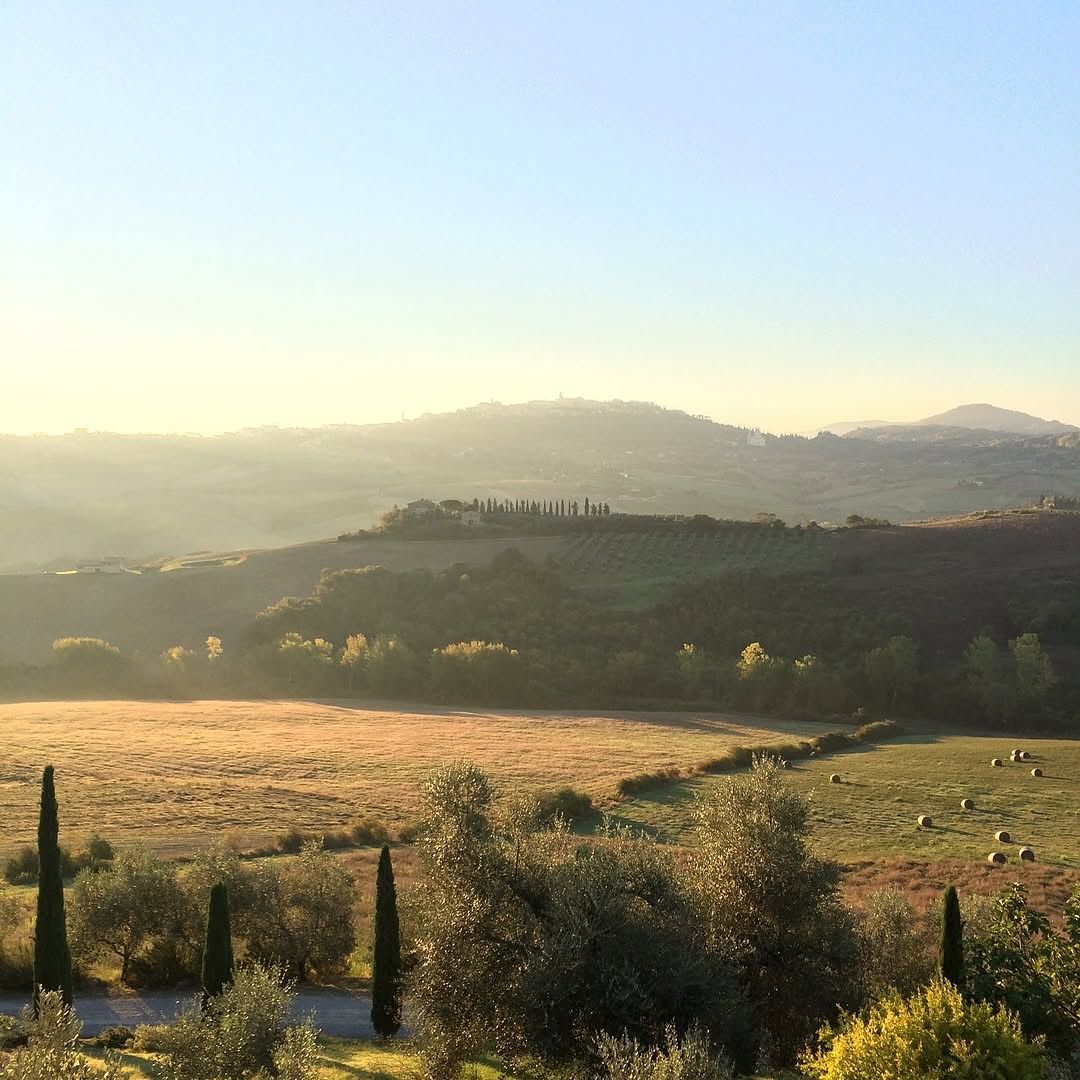
Tucked away in the rolling hills of southern Córdoba province, Iznájar is one of Andalusia’s best-kept secrets. This whitewashed hilltop village sits above a shimmering reservoir, often called the “Lake of Andalusia,” and offers visitors the perfect mix of culture, tradition, and natural beauty.
A Village Steeped in History
At the very top of the town stands Iznájar’s Moorish castle, overlooking narrow cobbled streets and charming flower-filled patios. Wandering through the village feels like stepping into another era, where life still moves at a slower, friendlier pace.
Local Cuisine & Flavors
Food is central to Iznájar’s identity. Surrounded by an ocean of olive trees, the village is a hub for olive oil production, and visiting a local mill to taste freshly pressed extra virgin oil is a must. Traditional dishes such as salmorejo cordobés (a creamy tomato dip), flamenquín (crispy ham rolls), and rustic breads pair beautifully with local wines and cheeses. Small tapas bars in the village square are the best place to sample authentic flavors while mingling with locals.
Experiences to Try
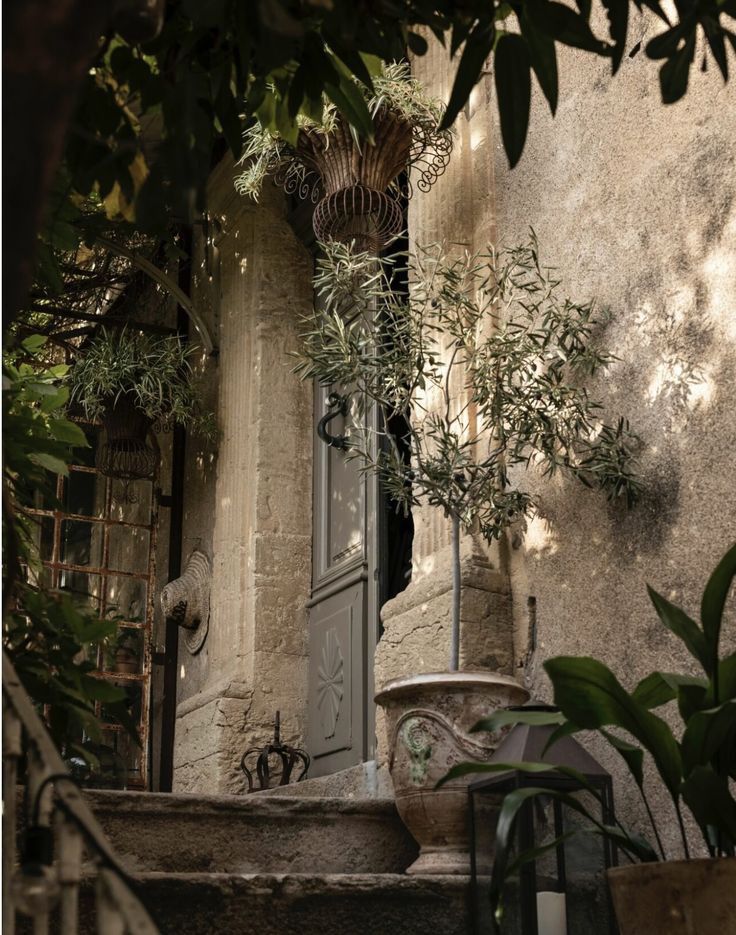
Patio de las Comedias: A picturesque square filled with flower pots, perfect for photos and a quiet coffee.
Castle & Church of Santiago Apóstol: For sweeping views over the reservoir and surrounding countryside.
Lake Activities: From kayaking and paddleboarding to simply relaxing on sandy beaches by the reservoir.
Olive Oil Tours: Learn about the region’s olive-growing heritage and taste oils straight from the source.
Festivals & Flamenco: If you visit in spring or summer, catch one of the local fairs where music, dancing, and food take over the streets.
The Beauty of the Landscape
Iznájar is surrounded by hills draped in olive groves—the silver-green leaves shimmering in the sunlight are a quintessential Andalusian sight. Hiking and cycling trails wind through the countryside, offering a deeper connection to this timeless land.
Why Visit?
Unlike Andalusia’s larger cities, Iznájar has remained true to itself. It’s a place where authenticity thrives, where locals greet visitors with warmth, and where every meal and moment feels rooted in tradition. For travelers seeking genuine Andalusian charm away from the crowds, Iznájar is a destination not to miss.
DISCOVER MORE
Dominican Republic | Music & Heritage
The Rhythm of Everyday Life
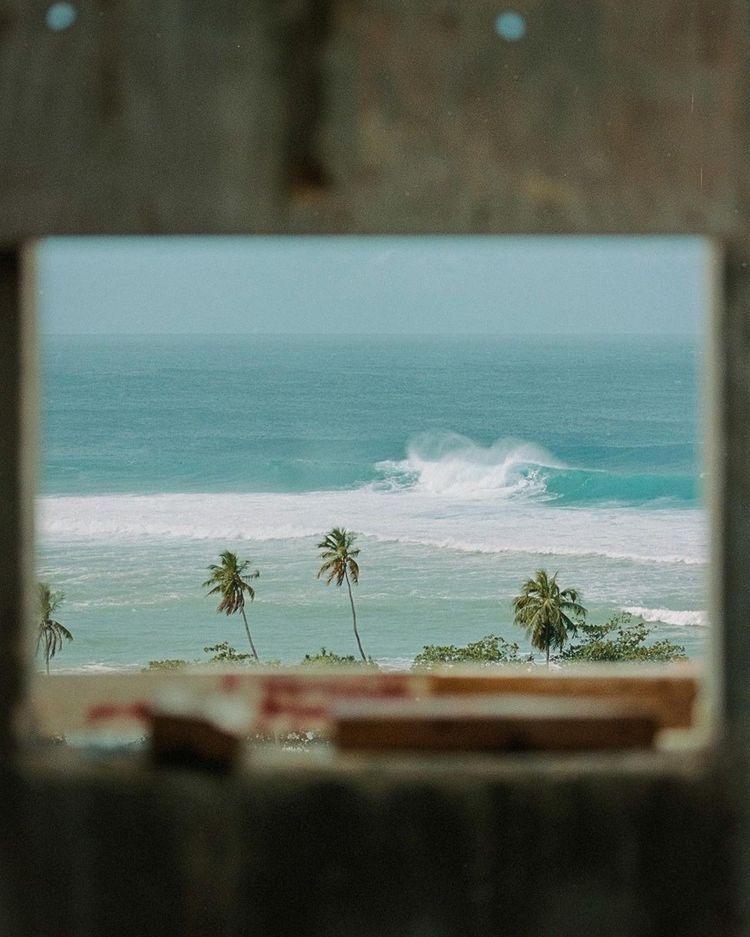
In the Dominican Republic, culture isn’t something you visit — it’s something you feel. It moves through the streets, hums in the air, and pulses beneath daily life. Here, rhythm is not just in the music — it’s in the way people speak, cook, dance, and gather. The island doesn’t rush; it sways.
The Heartbeat of the Island
Every sound tells a story. On a Sunday morning in Santo Domingo, the air carries the layered pulse of merengue típico — accordion, tambora, güira. In the north, in towns like Santiago or Puerto Plata, bachata drifts from open windows, a sound both tender and defiant.
Music isn’t a performance here; it’s a language. It accompanies breakfast, bus rides, conversations, even silence. It reminds you that joy and melancholy can coexist — that movement is how this island breathes.
Where Past and Present Intertwine
Dominican culture is a mosaic — Indigenous Taíno roots, African rhythms, and Spanish heritage woven into something distinctly its own. You see it in the architecture of the Zona Colonial, where 16th-century stone churches stand beside pastel homes filled with laughter. You taste it in every plate of sancocho or mangú, dishes that carry centuries of memory.
Tradition here is not frozen — it evolves. Street artists paint Afro-Caribbean faces on cracked walls; young designers reinterpret guayaberas into contemporary fashion. Every generation adds a note to the island’s ongoing song.
READ MORE
GREECE | Island Journeys
How to Choose Your Perfect Escape
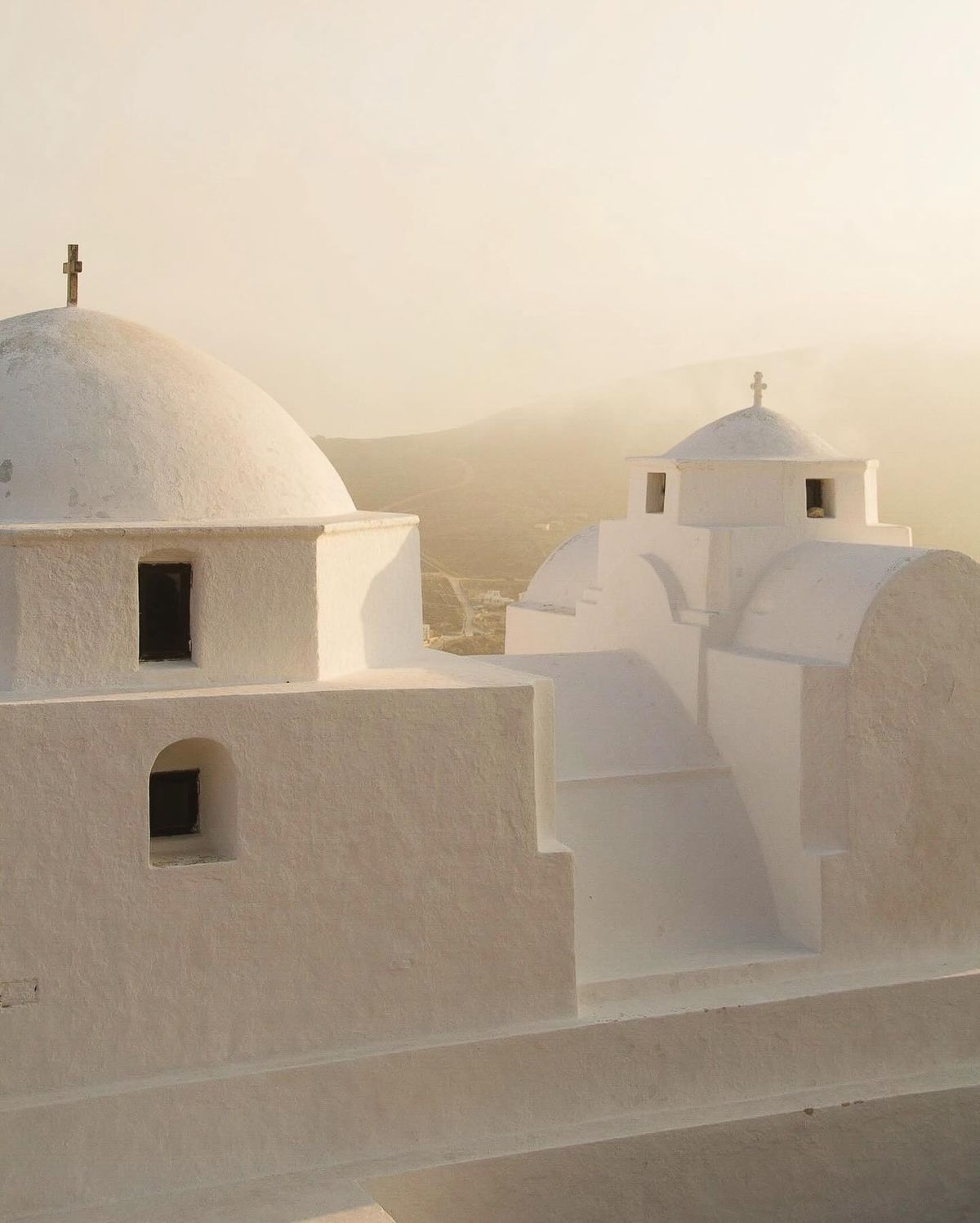
The Greek islands are not a single story — they are a chorus of landscapes, cultures, and rhythms, each island carrying its own voice. To travel among Crete, Zakynthos, Santorini, Milos, and Skiathos is to experience the Ionian and Aegean in their full diversity: from rugged mountains and hidden coves to whitewashed villages and volcanic cliffs, each moment shaped by light, wind, and water.
Crete | The Island of Timeless Stories
Crete is a world unto itself. Inland, olive groves stretch toward the mountains, terraced fields tell tales of centuries-old farming, and villages like Chania and Rethymno seem frozen in a mix of Venetian elegance and island resilience. Here, slow mornings are for coffee in shaded squares, afternoons for wandering along cobbled streets, and evenings for tasting dakos, fresh seafood, and wine poured straight from local vineyards. Crete’s rhythm is grounded, earthy, and enduring — a place where tradition is alive in every step.
Zakynthos | The Rhythm of the Island
On Zakynthos, the sea dictates the tempo. Hidden coves like Mikro Limanaki and Xigia offer calm waters and quiet reflection, while villages like Volimes pulse gently with daily life. Olive trees, citrus groves, and winding streets create a slow cadence, complemented by the scent of herbs and the soft music of waves against cliffs. Here, time is measured not in hours, but in tides, meals, and light.
READ MORE
Provence | Spaces of Stillness
Provence in Light and Stone
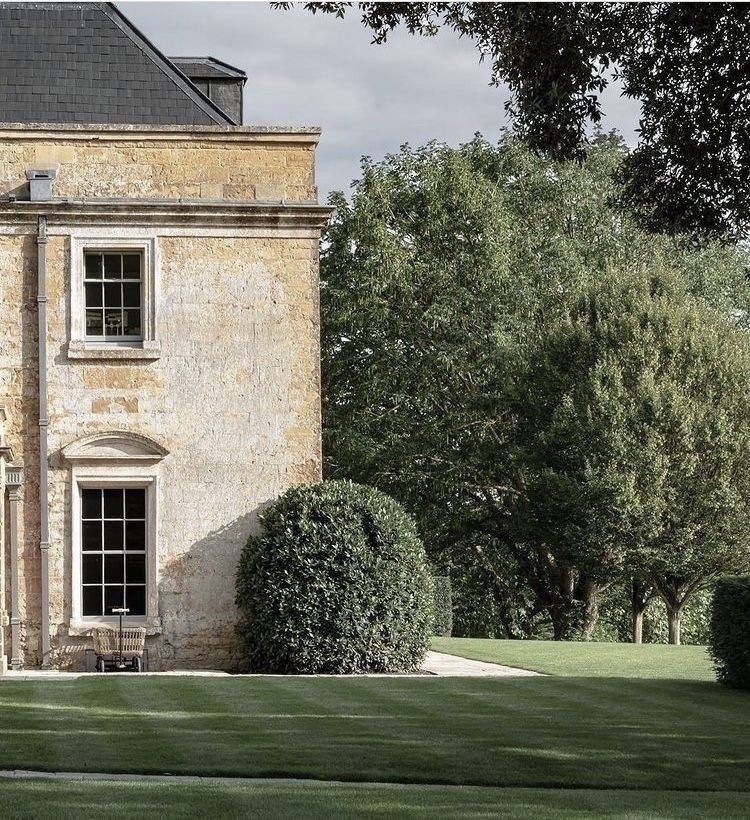
In Provence, beauty doesn’t shout. It breathes quietly through the walls — in sun-faded shutters, stone steps polished smooth by time, and courtyards scented with rosemary and lime blossom. This is a region that teaches you to see not through spectacle, but through stillness.
The Language of Light
Everything in Provence begins with light.
It’s the same golden glow that drew painters like Cézanne and Van Gogh — a light that softens, humbles, and transforms. The old farmhouses, or mas, seem built to frame it: thick limestone walls that hold the cool, small windows that let the sun in gently, never too much. Inside, shadows move like water across terracotta floors.
Here, architecture isn’t about perfection — it’s about balance. The dialogue between shade and brightness, stone and air, simplicity and warmth.
Homes Rooted in the Land
Traditional Provençal design is deeply practical, shaped by centuries of life in rhythm with nature. Roofs of curved clay tiles protect against the fierce summer heat. Pale limewash reflects sunlight. Shutters close tight at noon, when the world stands still.
Modern architects across the region — from Arles to Lourmarin — have learned to reinterpret this language. You’ll find minimalist villas that echo the clean geometry of old farmhouses, using local stone, raw plaster, and natural pigments. The aesthetic may be contemporary, but the philosophy remains ancient: design as harmony with the landscape.