Provence | Spaces of Stillness
Provence in Light and Stone
FRANCE
In Provence, beauty doesn’t shout. It breathes quietly through the walls — in sun-faded shutters, stone steps polished smooth by time, and courtyards scented with rosemary and lime blossom. This is a region that teaches you to see not through spectacle, but through stillness.
The Language of Light
Everything in Provence begins with light.
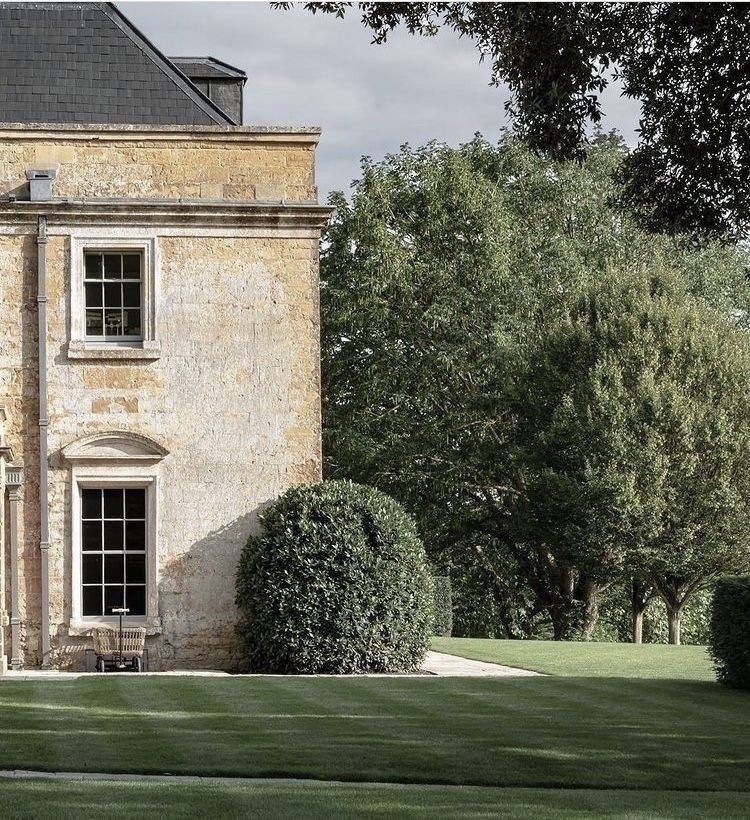
It’s the same golden glow that drew painters like Cézanne and Van Gogh — a light that softens, humbles, and transforms. The old farmhouses, or mas, seem built to frame it: thick limestone walls that hold the cool, small windows that let the sun in gently, never too much. Inside, shadows move like water across terracotta floors.
Here, architecture isn’t about perfection — it’s about balance. The dialogue between shade and brightness, stone and air, simplicity and warmth.
Homes Rooted in the Land
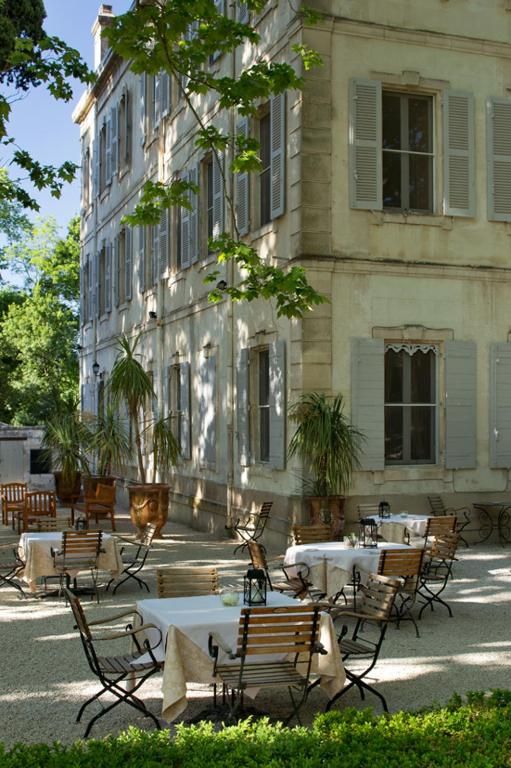
Traditional Provençal design is deeply practical, shaped by centuries of life in rhythm with nature. Roofs of curved clay tiles protect against the fierce summer heat. Pale limewash reflects sunlight. Shutters close tight at noon, when the world stands still.
Modern architects across the region — from Arles to Lourmarin — have learned to reinterpret this language. You’ll find minimalist villas that echo the clean geometry of old farmhouses, using local stone, raw plaster, and natural pigments. The aesthetic may be contemporary, but the philosophy remains ancient: design as harmony with the landscape.
The Beauty of Imperfection
In Provence, design is never sterile. Time leaves its fingerprints everywhere — a crack in the wall, a weathered beam, a faded tile. The locals call it patine, that soft wear that gives an object or a space its soul.
To live beautifully here doesn’t mean to live perfectly; it means to live honestly. A chipped jug on a windowsill, a linen curtain fluttering in the breeze — these are the quiet gestures that define Provençal style.
Spaces to Slow Down
You don’t visit Provence to rush from one sight to another. You come to sit under a fig tree, to listen to the sound of cicadas echoing between stone walls, to feel how architecture becomes part of the landscape — not apart from it.
Whether it’s an old stone inn overlooking the Luberon or a simple Airbnb restored with lime, linen, and light, the spaces here invite you to pause. They ask nothing of you except presence.
Designing a Way of Life
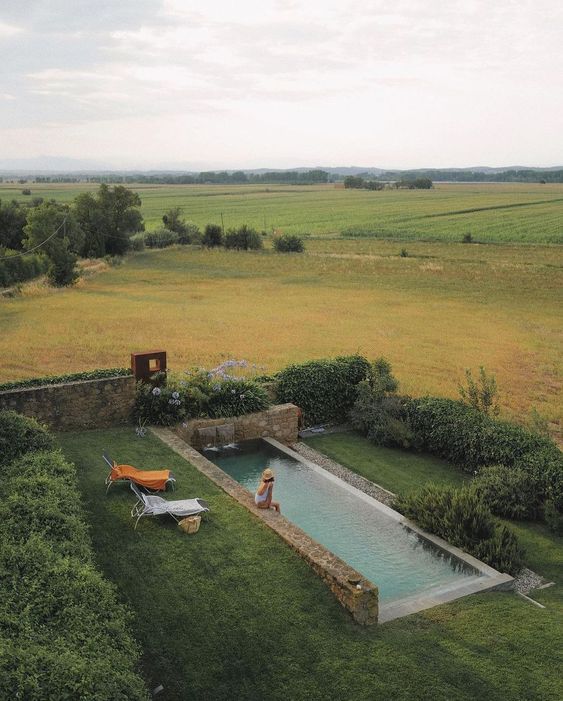
More than a style, Provençal design is a philosophy: calm, grounded, and deeply human. It reminds us that the most inspiring spaces aren’t those filled with things, but with air, texture, and time.
In a world that moves too fast, Provence remains steady — its architecture whispering the same quiet truth:
that beauty lives in restraint, in light, and in the spaces we allow to breathe.
DISCOVER MORE
Dominican Republic | Music & Heritage
The Rhythm of Everyday Life
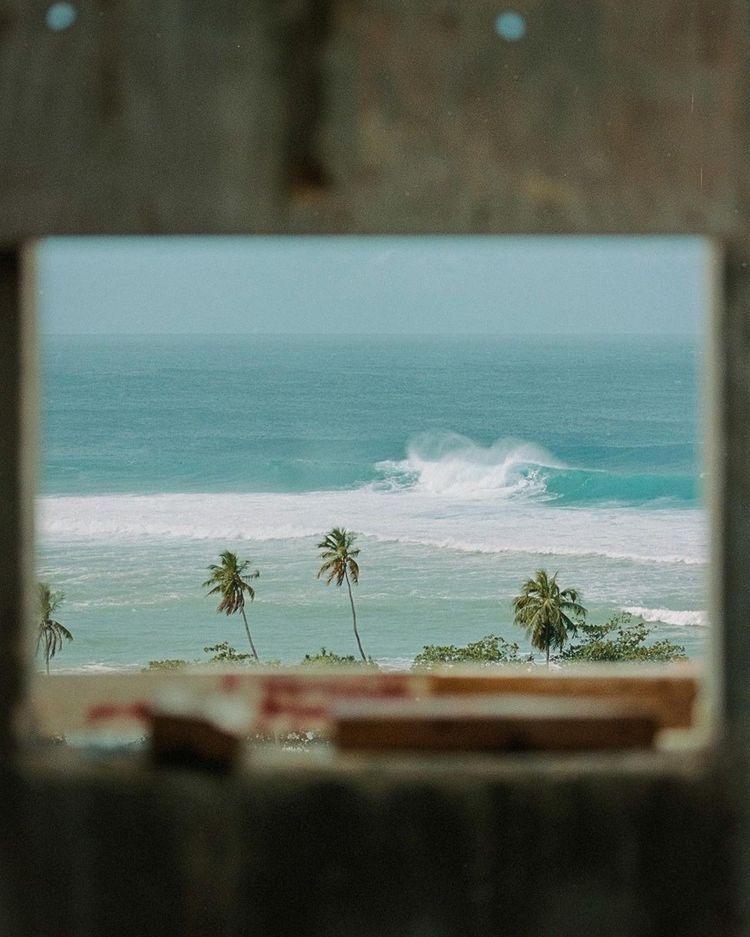
In the Dominican Republic, culture isn’t something you visit — it’s something you feel. It moves through the streets, hums in the air, and pulses beneath daily life. Here, rhythm is not just in the music — it’s in the way people speak, cook, dance, and gather. The island doesn’t rush; it sways.
The Heartbeat of the Island
Every sound tells a story. On a Sunday morning in Santo Domingo, the air carries the layered pulse of merengue típico — accordion, tambora, güira. In the north, in towns like Santiago or Puerto Plata, bachata drifts from open windows, a sound both tender and defiant.
Music isn’t a performance here; it’s a language. It accompanies breakfast, bus rides, conversations, even silence. It reminds you that joy and melancholy can coexist — that movement is how this island breathes.
Where Past and Present Intertwine
Dominican culture is a mosaic — Indigenous Taíno roots, African rhythms, and Spanish heritage woven into something distinctly its own. You see it in the architecture of the Zona Colonial, where 16th-century stone churches stand beside pastel homes filled with laughter. You taste it in every plate of sancocho or mangú, dishes that carry centuries of memory.
Tradition here is not frozen — it evolves. Street artists paint Afro-Caribbean faces on cracked walls; young designers reinterpret guayaberas into contemporary fashion. Every generation adds a note to the island’s ongoing song.
READ MORE
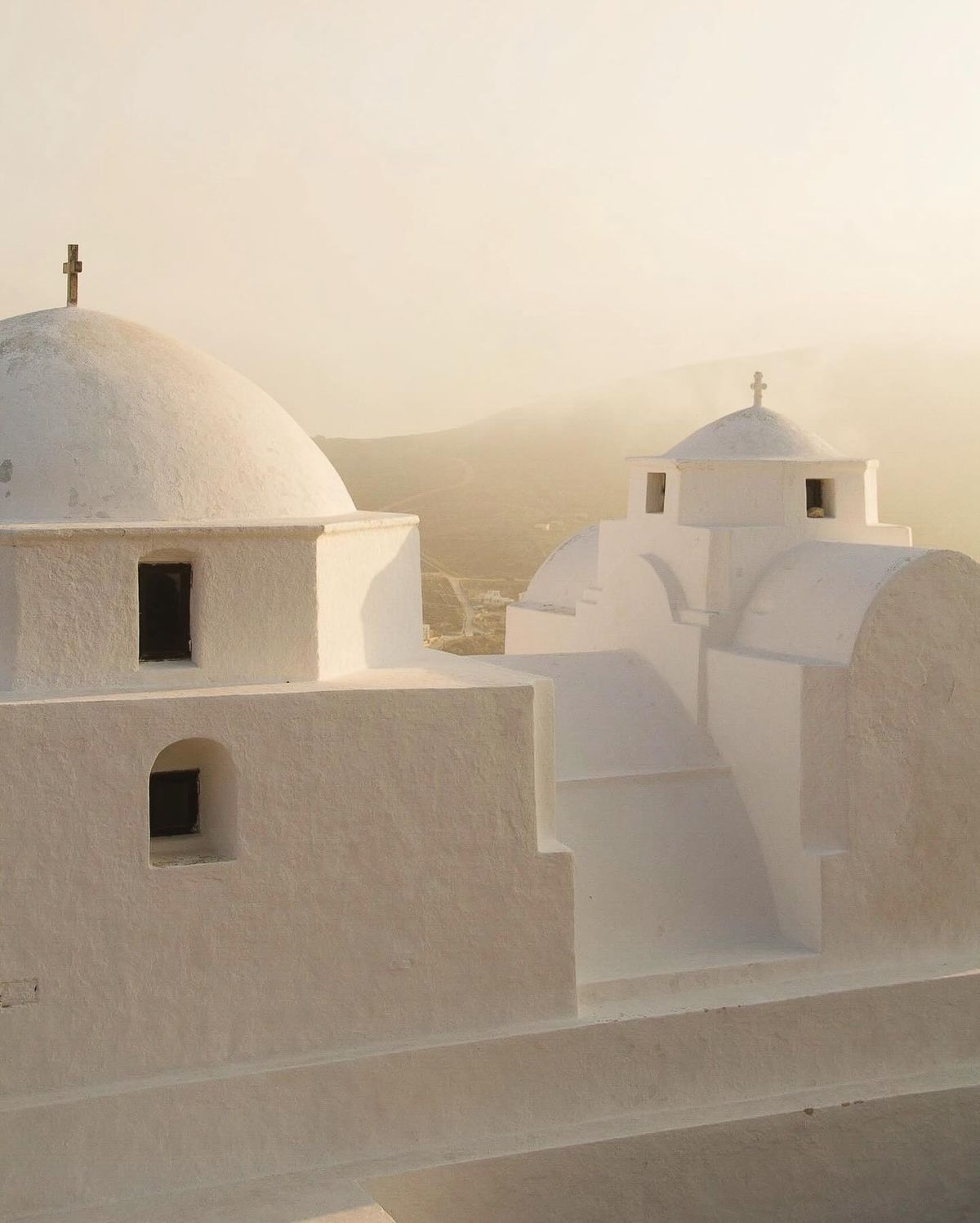
GREECE | Island Journeys
How to Choose Your Perfect Escape
The Greek islands are not a single story — they are a chorus of landscapes, cultures, and rhythms, each island carrying its own voice. To travel among Crete, Zakynthos, Santorini, Milos, and Skiathos is to experience the Ionian and Aegean in their full diversity: from rugged mountains and hidden coves to whitewashed villages and volcanic cliffs, each moment shaped by light, wind, and water.
Crete | The Island of Timeless Stories
Crete is a world unto itself. Inland, olive groves stretch toward the mountains, terraced fields tell tales of centuries-old farming, and villages like Chania and Rethymno seem frozen in a mix of Venetian elegance and island resilience. Here, slow mornings are for coffee in shaded squares, afternoons for wandering along cobbled streets, and evenings for tasting dakos, fresh seafood, and wine poured straight from local vineyards. Crete’s rhythm is grounded, earthy, and enduring — a place where tradition is alive in every step.
Zakynthos | The Rhythm of the Island
On Zakynthos, the sea dictates the tempo. Hidden coves like Mikro Limanaki and Xigia offer calm waters and quiet reflection, while villages like Volimes pulse gently with daily life. Olive trees, citrus groves, and winding streets create a slow cadence, complemented by the scent of herbs and the soft music of waves against cliffs. Here, time is measured not in hours, but in tides, meals, and light.
READ MORE
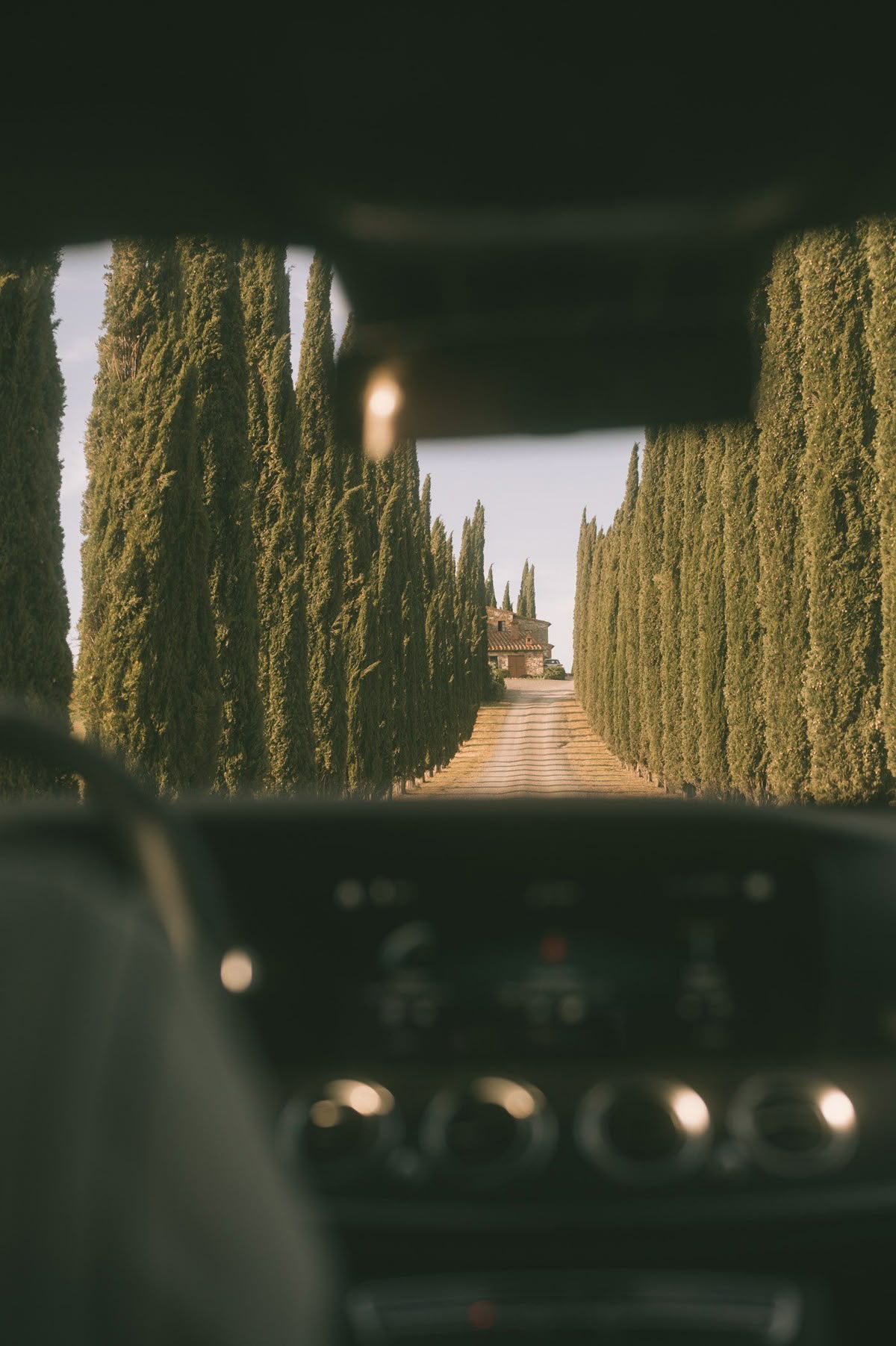
Tuscany | FLORA & FAUNA
The Living Heart of Tuscany
Tuscany is a region where every view feels like a painting—rolling hills, medieval towns perched on hilltops, and vineyards that stretch endlessly across the countryside. It’s a place where history, art, and nature blend seamlessly, offering travelers an experience that is both authentic and unforgettable.
A Region Steeped in History
Tuscany’s past is written in stone—whether in the Etruscan remains of Volterra, the Renaissance palaces of Florence, or the Gothic brickwork of Siena. Many villages remain almost untouched by time, with fortified walls, winding alleys, and towers that have watched centuries of history unfold. Strolling through these towns is like walking through a living museum.
Local Cuisine & Flavors
Tuscany’s cuisine is simple yet deeply flavorful, born from the land itself. The region is known for its extra virgin olive oil, earthy truffles, and wines like Brunello di Montalcino and Vernaccia di San Gimignano. Dishes such as pici pasta with wild boar sauce, crostini with chicken liver, or castagnaccio (a chestnut flour cake) showcase the rustic elegance of Tuscan cooking. Meals are best enjoyed slowly, often accompanied by local stories and warm hospitality.
Experiences to Try
Florence & the Duomo: Climb Brunelleschi’s dome for breathtaking city views.
Wine Tasting in Chianti: Discover world-class reds among cypress-lined roads and vineyards.
Pisa & its Leaning Tower: Beyond the famous tilt, explore the beautiful Piazza dei Miracoli.
Wine Roads of Montalcino: Follow scenic routes through vineyards producing world-class Brunello.
Medieval Siena: Witness the grandeur of Piazza del Campo and learn about the Palio horse race.
Thermal Towns: Unwind in natural hot springs around Montecatini Terme or Bagni San Filippo.
Artisan Traditions: Discover hand-painted ceramics, leatherwork, and Tuscan weaving in small workshops.